
Conferences are powerful spaces for professional learning, collaboration, and inspiration. While attending a conference allows educators to learn new strategies and connect with peers, presenting offers an even deeper opportunity to contribute, reflect, and grow.
At the Ohio STEM Innovation Summit on June 9, 2026, sessions are led by educators and practitioners from across the state who bring real classroom experience, tested strategies, and authentic stories to the table. These educator-led sessions resonate because they focus on what works in real schools with real students and provide practical ideas that can be applied immediately.
The process of preparing a session proposal is itself a meaningful professional learning experience. Reflecting on an instructional strategy, program, or approach and clearly communicating its impact strengthens skills educators regularly use when advocating for new initiatives, funding, or instructional change. Even when a proposal is not selected, the process helps sharpen practice and clarify thinking.
Getting a session proposal accepted can feel daunting, but successful proposals share common characteristics. For the Ohio STEM Innovation Summit, reviewers look for sessions that are grounded in practice, aligned to high-quality STEM instruction, and intentionally designed with participants in mind.
Presenters are invited to apply to help unlock possibility by illuminating ideas that spark curiosity, creativity, and change. Each session is a chance to shine a light on innovative practices and open new doors for STEM learning across Ohio. Apply by February 3, 2026.
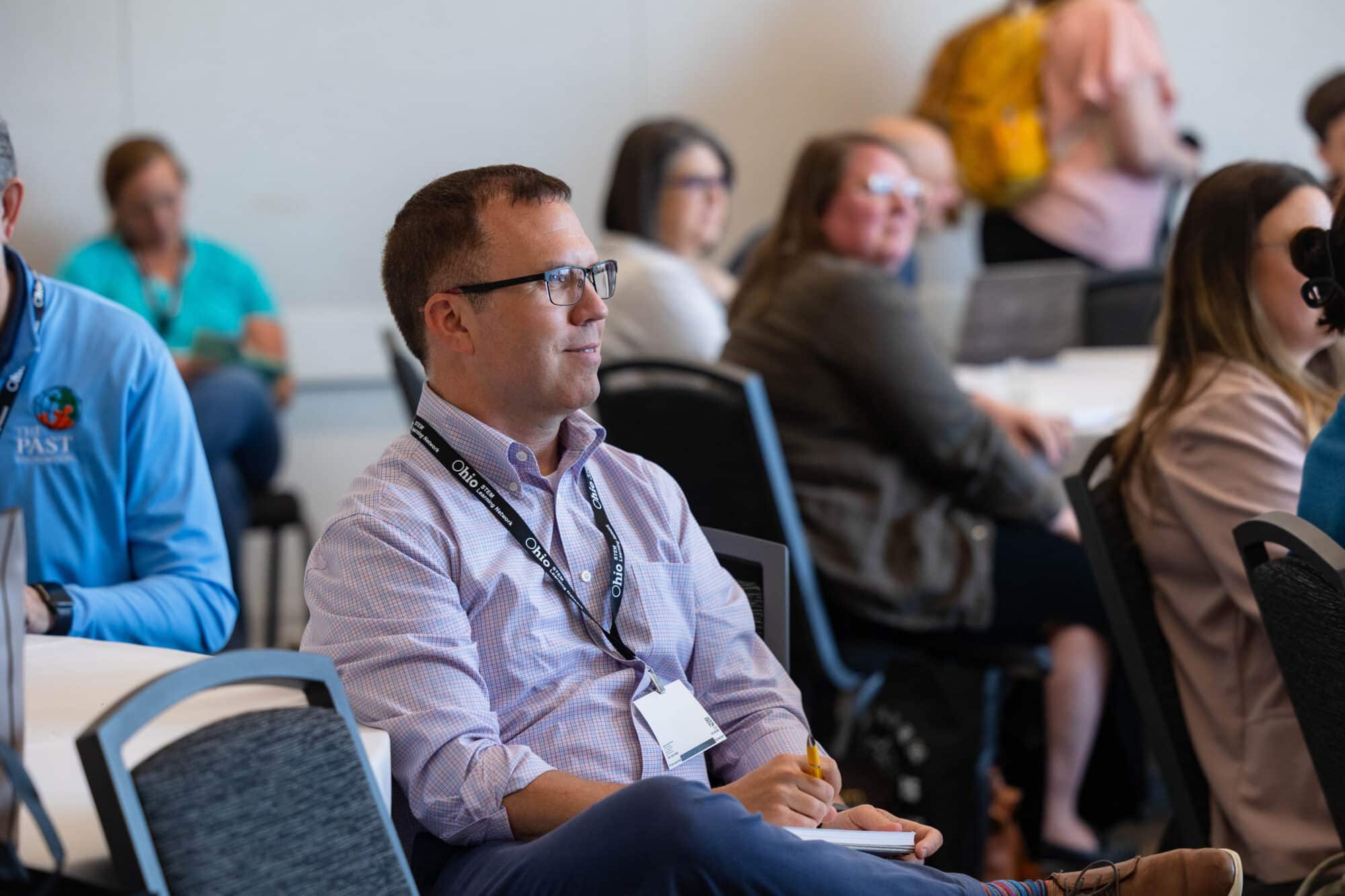
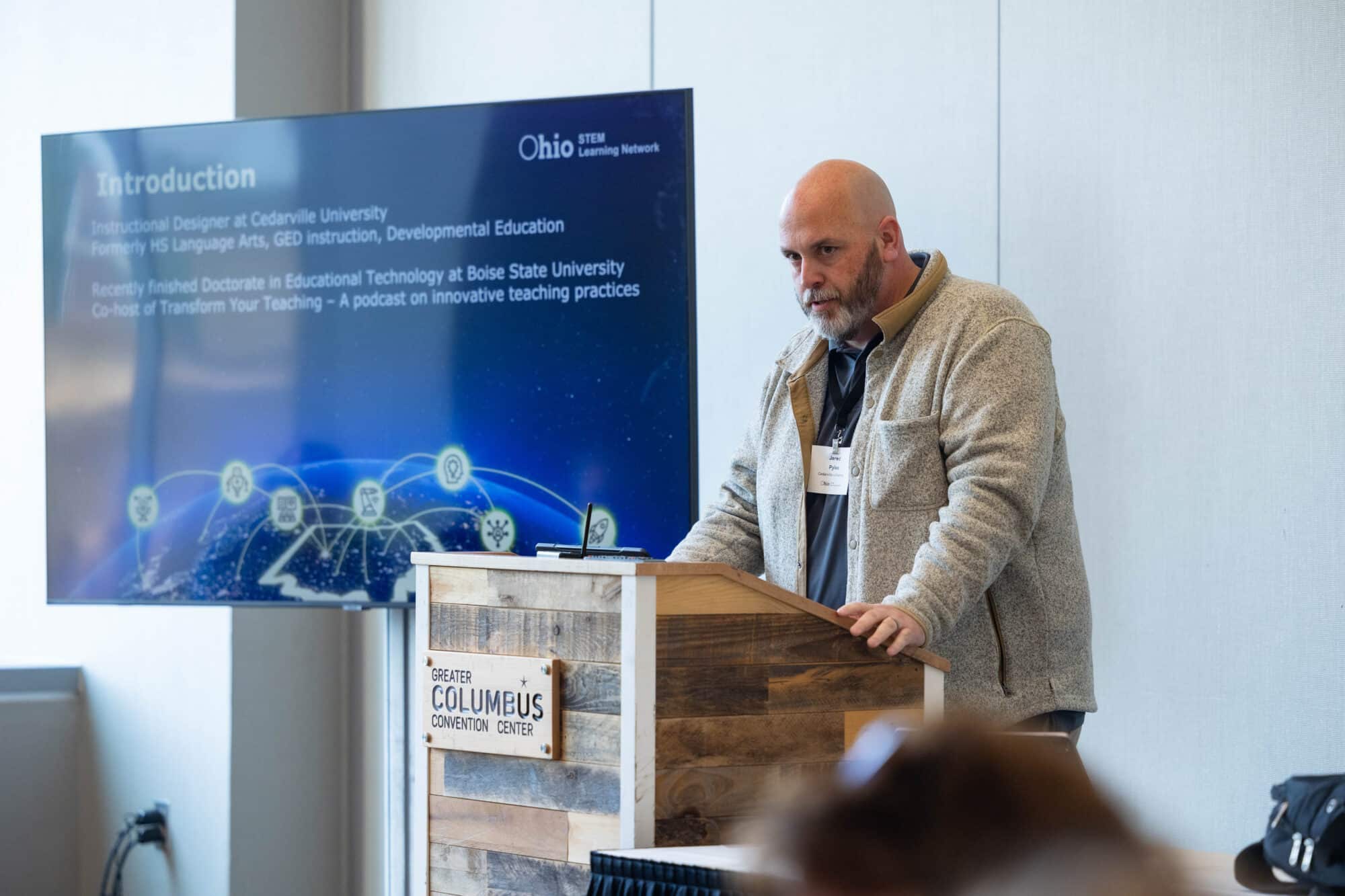
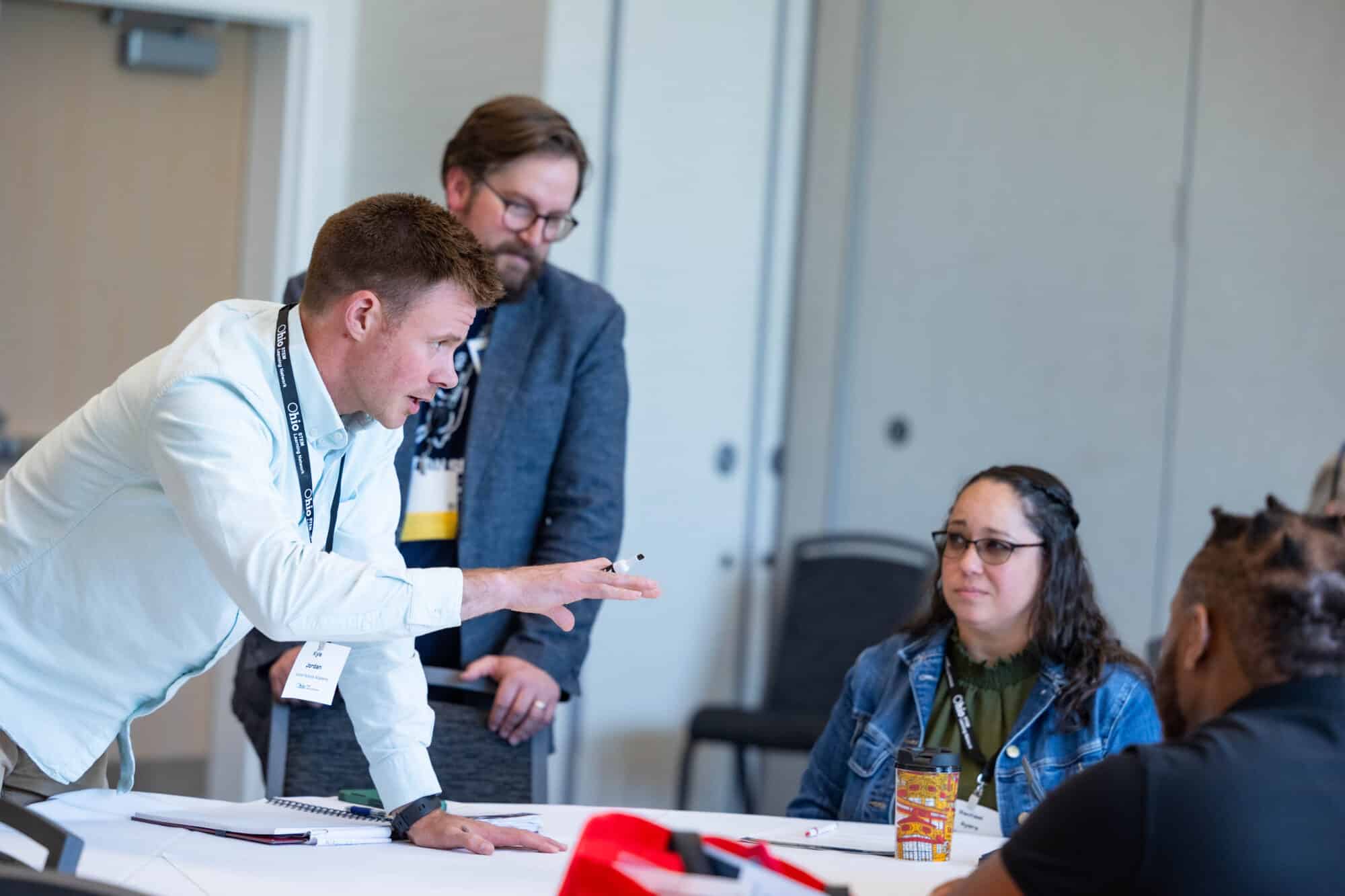
Start with what works
Successful proposals are rooted in real experience. Reviewers want to see ideas that have been tried, refined, and shown to make a difference for students or educators. Rather than proposing what you plan to try, focus on what you have already implemented.
Ask yourself:
- What instructional strategy, program, or approach has had a measurable impact?
- What challenges did you encounter, and how did you address them
- What lessons did you learn that others could apply in their own settings?
Clear evidence of effectiveness helps reviewers see the value your session will bring to attendees.
Know your audience
Strong proposals are written with a specific audience in mind. Consider who would benefit most from your session and tailor your description accordingly.
Clarify:
- Grade band or role (classroom teachers, instructional leaders, informal educators)
- Content area or interdisciplinary focus
- Level of experience with STEM practices
When reviewers can quickly identify who the session is for and why it matters, your proposal becomes easier to place within the overall Summit program.
High-quality Summit sessions are interactive, engaging, and grounded in practice.
Design an experience, not a presentation
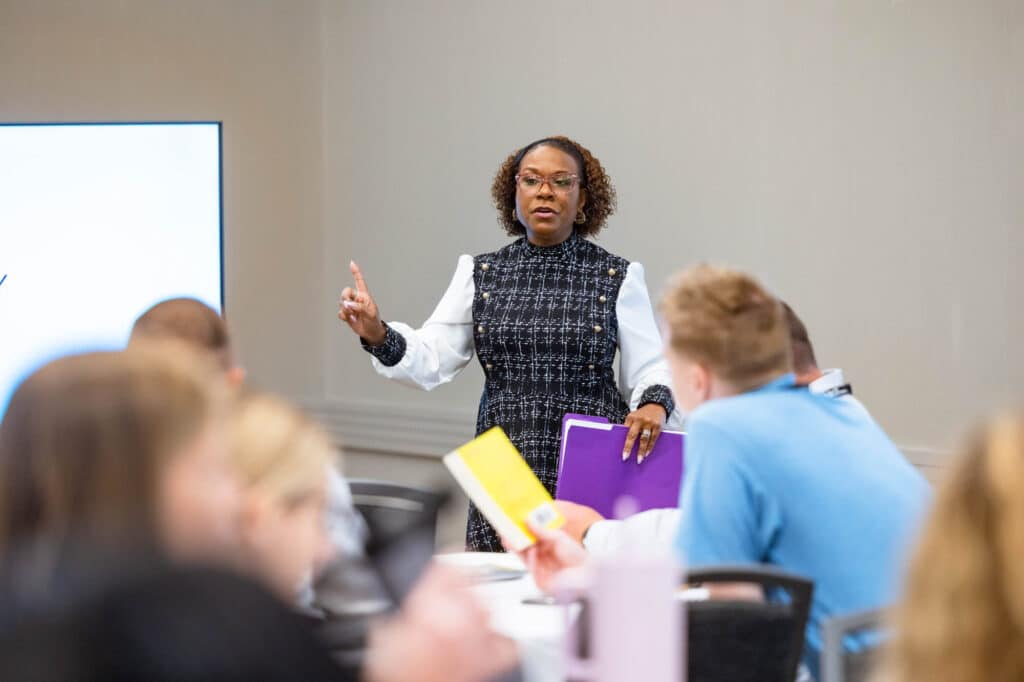
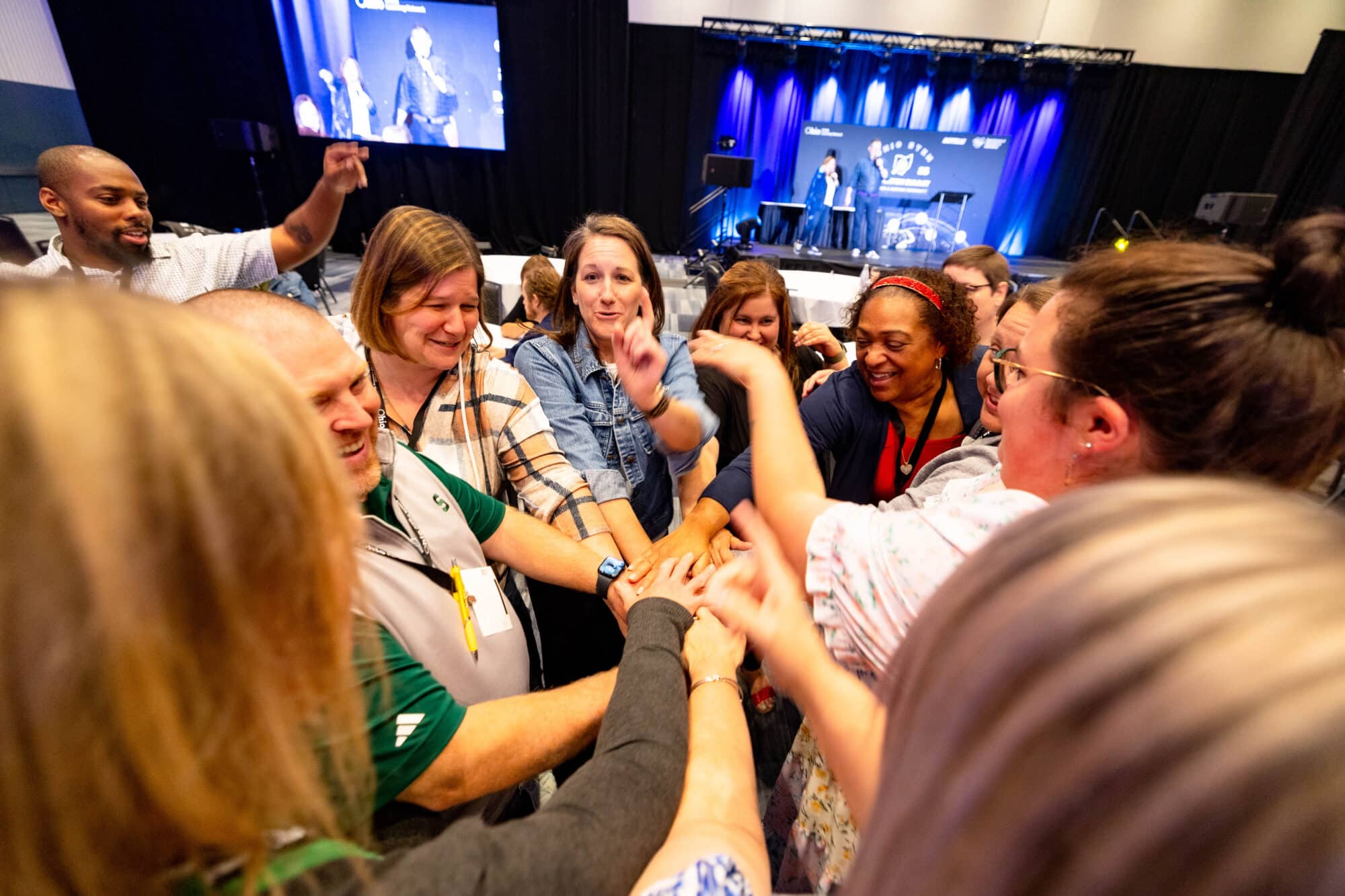
Rather than simply telling participants about an approach, presenters are encouraged to design experiences that allow attendees to:
- Participate in a hands-on strategy or lesson
- Explore a resource or tool that made a difference in instruction
- Analyze and discuss an instructional approach that supports all learners
- Engage in dialogue around real-world challenges and solutions
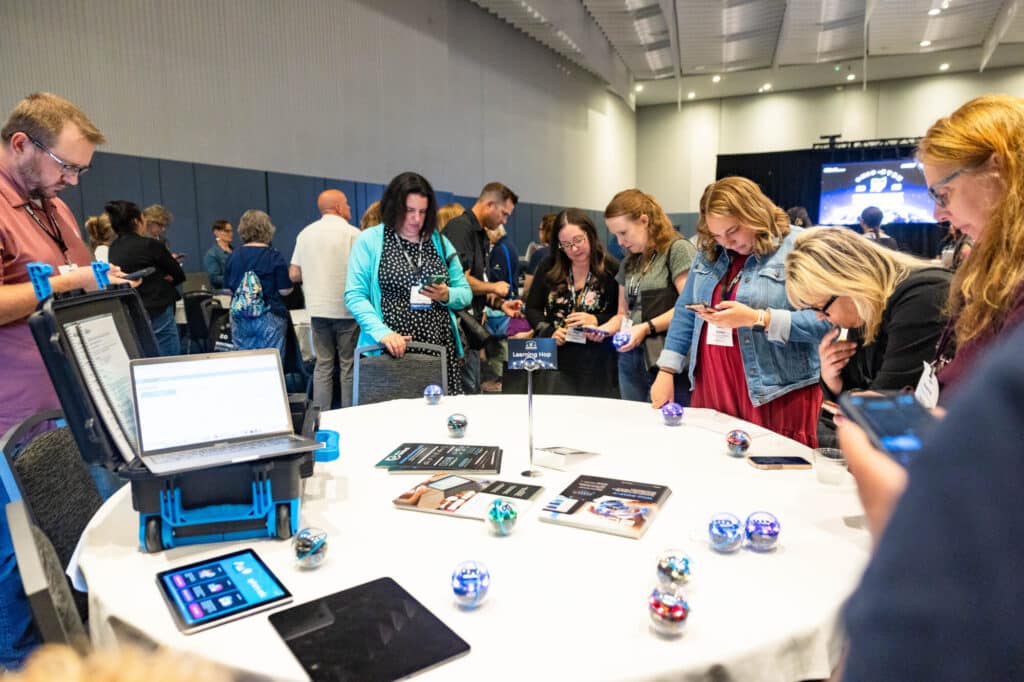
The Summit offers multiple session formats, including Learning Labs, Listen to Learn sessions, and Learning Hops. Selecting the format that best matches your content and clearly explaining how it will be used helps reviewers envision the session in action.
Be clear, concise, and specific
Well-written proposals are easy to understand and free of jargon. Reviewers read many proposals, so clarity matters.
Effective proposals:
- Clearly state the problem or need being addressed
- Describe what participants will experience and take away
- Avoid vague language and broad claims
- Focus on practical strategies that can be used immediately
Specific examples and concrete outcomes help your proposal rise to the top.

Align with the Summit focus areas
For the 2026 Ohio STEM Innovation Summit, proposals must align with Ohio’s Quality Model for STEM and STEAM Education. Reviewers look for sessions that connect clearly to one of the Summit’s focus areas:
Culture for Learning
Building inclusive STEM culture, leadership, and community partnerships
Learning and Teaching
Interdisciplinary instruction, problem-based learning, computational thinking, and personalized learning
Pathways to Success in Careers
Career exploration, industry partnerships, and community-connected learning
Explicitly naming how your session connects to a focus area and sub-domain strengthens your proposal and shows alignment with statewide priorities.
Submit with confidence
Submitting a proposal is an act of professional generosity. By sharing what works, educators help strengthen the collective STEM community across Ohio.
Every accepted session starts with a thoughtful proposal. With clarity, alignment, and intention, your ideas can help unlock possibility for educators and students across the state.
By presenting, educators contribute to a statewide learning community and help illuminate practices that strengthen classrooms, schools, and communities.
The Ohio STEM Innovation Summit is built on the belief that educators learn best from one another. By sharing proven strategies, innovative approaches, and authentic experiences, presenters help unlock new possibilities for STEM learning across Ohio. The spark begins at the Summit, but the impact extends far beyond it.
Applications to present at the 2026 Ohio STEM Innovation Summit close February 3, 2026, with selected presenters notified in March.